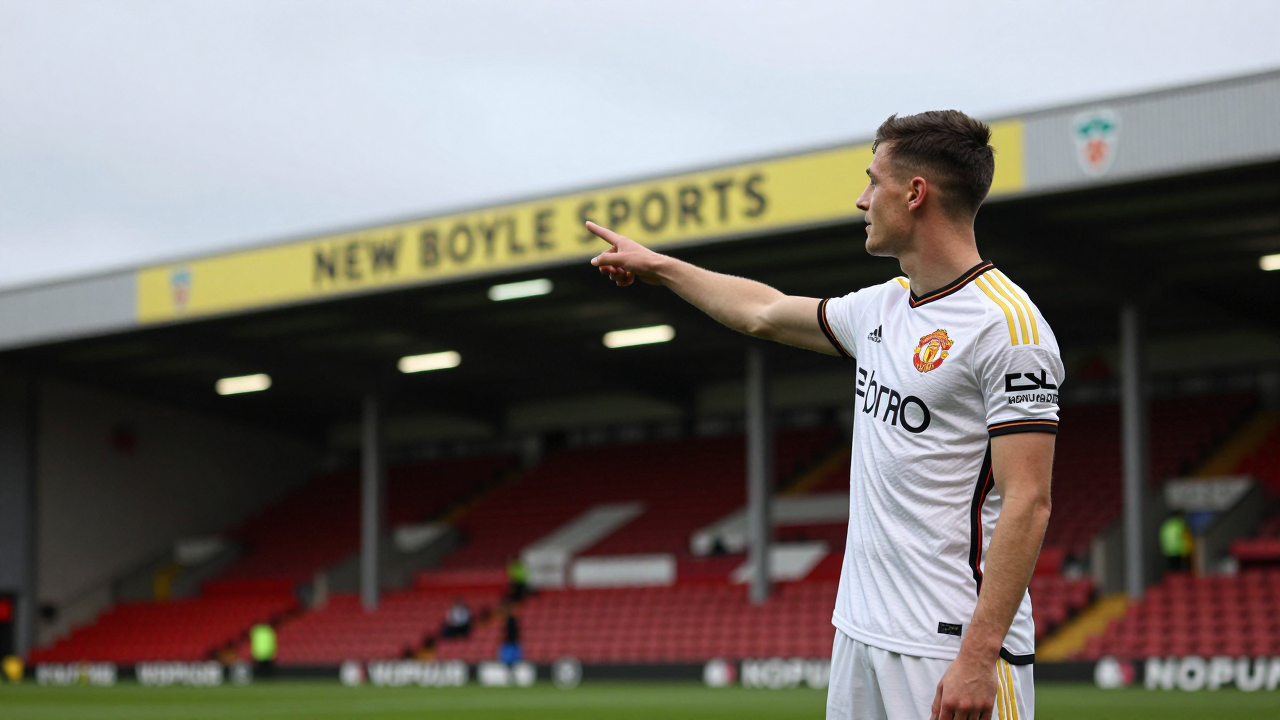
Leeds United erased a two‑goal half‑time hole to beat Liverpool 4‑2 in a pre‑season friendly on July 28, 2026, after Daniel Farke’s decisive tactical changes. The Whites’ resurgence hinged on fresh faces, intensified pressing and a new attacking focal point.
What tactical shifts did Farke make at half‑time?
At the break, Farke introduced Harry Wilson, Sean Longstaff, Brenden Aaronson and Dominic Calvert‑Lewin. Aaronson slipped into pockets behind Liverpool’s midfield, giving Ethan Ampadu a progressive passing option and pulling the Reds’ shape apart. Calvert‑Lewin added a physical presence in the box, forcing Liverpool centre‑backs to constantly engage him and opening space for midfield runners.
How did the new players influence Leeds’ attacking flow?
Aaronson’s movement created gaps that allowed Leeds to play through the middle more effectively, while Calvert‑Lewin’s hold‑up play turned crosses into clear chances. His runs caused uncertainty in Liverpool’s defensive line, and his presence meant any long throw or cross had a genuine target, leading to two of Leeds’ four goals.
Why did the press become a game‑changer?
In the first half Liverpool enjoyed long spells of possession, limiting Leeds’ chances. After the interval, Aaronson, Longstaff and Wilson pressed aggressively, forcing the Reds into hurried decisions. This pressure produced a turnover high up the pitch, from which Aaronson scored, confirming the impact of the renewed intensity.
What role did Ethan Ampadu play in the second half?
Ampadu, operating from midfield, dictated tempo and delivered long throws that repeatedly troubled Liverpool’s defence. His throws directly contributed to two Leeds goals, underscoring his importance as both a creator and a set‑piece weapon.
The combination of fresh legs, strategic positioning and relentless pressing transformed the match, showing that Farke’s flexibility can dismantle elite opposition even in a pre‑season setting.