
In the early 1990s, Leeds United found themselves at a crossroads. After a decade marked by varying degrees of success and turmoil, the club was on the verge of being relegated from the Second Division. The 1990-91 season was a particular low point, with the team finishing just above the relegation zone. However, it was during this time of struggle that the seeds of resurgence were sown, leading to one of the most remarkable transformations in the club's history.
The appointment of Howard Wilkinson as manager in 1988 was key. His vision for a young, vibrant squad began to take shape as he promoted talented youth players from the club's academy, a strategy that would prove essential in the years to come. Among these talents were the likes of Lee Sharpe, who would later make waves at Manchester United, and the legendary Gary Speed, who would become a mainstay in Leeds' midfield.
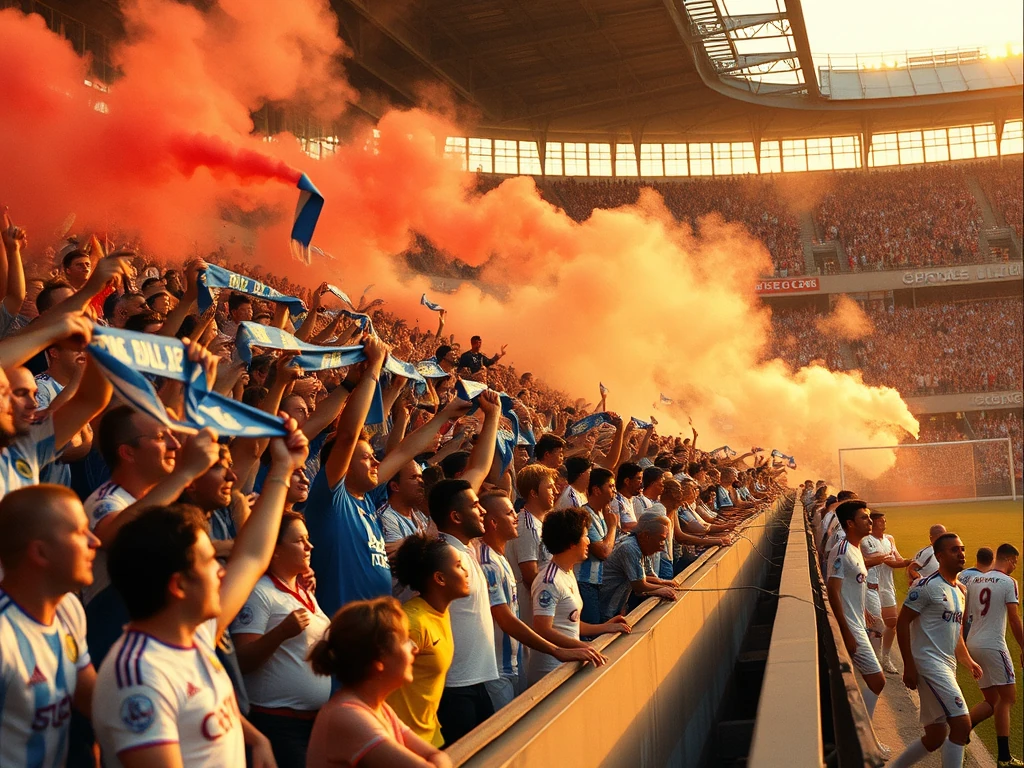
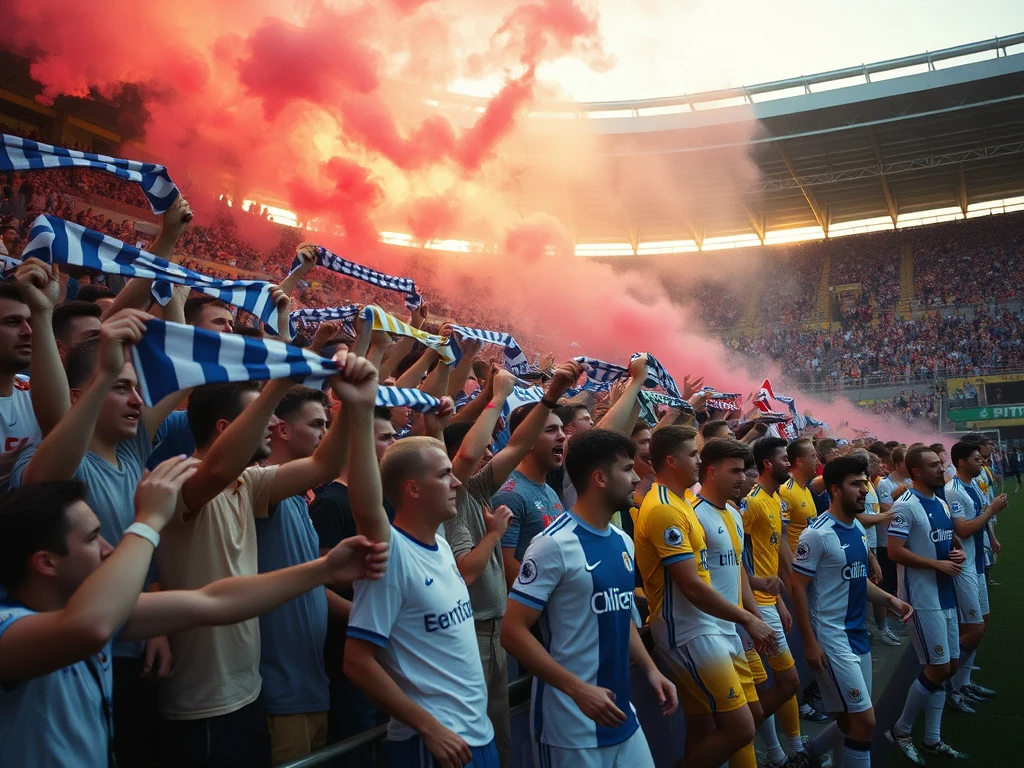
By the 1991-92 season, the fruits of Wilkinson's labor started to bloom. The club, buoyed by a sense of unity and purpose, managed to secure promotion to the top tier of English football, the Premier League, as champions of the Second Division. This achievement reignited the enthusiasm of the supporters, who packed Elland Road week in and week out, creating an electric atmosphere that was palpable both on and off the pitch.
The Premier League debut season was an exhilarating rollercoaster ride for the Whites. With a squad that expertly blended youth and experience, Leeds finished in a commendable fourth place in the inaugural Premier League season. The likes of Eric Cantona, who joined the club in 1992, became instrumental in their attacking prowess. The enigmatic Frenchman not only dazzled fans with his flair but also brought a much-needed edge to the team.
The 1993-94 season saw Leeds continue to defy expectations. The club's sights were now firmly set on competing with the giants of English football. Under Wilkinson’s astute management, Leeds earned a reputation for being a tough team to beat, with a solid defensive unit and a dynamic midfield that could control games. Their thrilling encounters with rivals, notably Manchester United, brought back the fierce competitiveness that had been synonymous with the club in the past.
One of the most significant moments in this resurgence came in April 1996, when Leeds faced off against Manchester United in a key match at Elland Road. This fixture wasn’t just another game; it was a chance to demonstrate that Leeds was back as a force in English football. The match ended in a hard-fought draw, but it was the passion and intensity displayed by both teams that captured the essence of the rivalry and served as a sign of Leeds’ revival.
As the 1990s progressed, Leeds United’s ambitions grew. The club’s newfound success and the emergence of a talented generation of players set the stage for an unforgettable journey that would culminate in their memorable 1999-2000 season, where they reached the semifinals of the UEFA Champions League. This period not only solidified Leeds United’s place in the Premier League but also rekindled the club's rich history and tradition.
Looking back at the 1990s, it’s clear that this decade was more than just a series of successful seasons; it was a resurrection. Leeds United transformed from a club on the edge of oblivion to one of the most exciting teams in English football, captivating the hearts of supporters and setting the tone for future generations. As we reflect on this key era, it is evident that the spirit of the Whites was reignited-proving once again that in football, as in life, resilience is key.